About Me
Before Film: A Foundation Outside the Industry
Before moving into film and television, I spent over a decade working in a structured 9–5 environment as a reporting analyst. During this time, I developed a strong set of transferable skills that continue to inform my work on set today, including project management, working to tight deadlines, and maintaining a sharp analytical eye under pressure. I regularly collaborated with teams across different areas of the business, presented insights to external clients, and was responsible for designing and delivering data in a clear, accessible way. This experience built a solid foundation in organisation, communication, and problem-solving — all of which translate directly to lighting work, from planning and execution to collaborating with directors, DPs, and production teams. Having experienced a more conventional working life has also grounded me and given me a genuine appreciation for how fortunate I am to do the job I do now. At that stage, videography was a creative hobby, limited to family projects and visual presentations for work, but it laid the groundwork for the visual thinking that now underpins my approach on set.
Entering the Industry: Technical Foundations
I began my career in the film and television industry in 2018. The early days were tough—long hours, little of a network, and being reliant on others to get a foot in the door—but I quickly cut my teeth on some challenging jobs, often working on fast-paced music promos that demanded precision, speed, and problem-solving under pressure. These experiences gave me an unfiltered insight into the realities of the industry, helped me develop a strong technical foundation, and taught me the resilience, focus, and adaptability required to thrive on set. I reached out to a rental house called Liteworx, who offered to help me on my journey, I gained hands-on experience with a wide range of lighting and rigging equipment, building a strong technical foundation and a clear understanding of set-ready workflows.
Small Crews to Big Learnings
Since moving freelance, I’ve built extensive experience across the commercial sector, starting with lower-budget projects, smaller crews, and music videos where every role demanded versatility and initiative. Working in these fast-paced, often intense environments meant adapting quickly to shifting creative and technical demands, learning on the fly, and taking ownership of challenges that came with limited resources. As productions grew busier and more complex, I gained invaluable hands-on experience that strengthened my confidence, honed my technical skills, and taught me the importance of flexibility, problem-solving, and clear communication. Regular on-set work across a variety of projects has been central to my growth, helping me collaborate effectively with different crews and thrive in a wide range of production environments.
From Short Shoots to Long-Form Success
While my early freelance work focused primarily on lower-budget commercials and music videos, these projects provided the foundation for building my network and honing my technical and creative skills. As my experience grew, I progressed to larger-scale commercial productions, where shoots expanded from one-day jobs to four-day APA projects, demanding greater planning, problem-solving, and adaptability on set. This growth opened the door to long-form television projects, including dailies on Beetlejuice and work on Belgravia, giving me firsthand experience with the pace, collaboration, and narrative demands of scripted content. Most recently, I completed a six-week shoot on the upcoming BBC comedy Twenty Twenty Six, alongside reality television productions such as Married at First Sight and Celebs Go Dating. These experiences have deepened my understanding of narrative lighting, storytelling through visuals, and the practical requirements of longer-form shoots, complementing my ongoing work in commercials and further strengthening my adaptability across varied production environments.
Stepping Up: Gaffer Responsibilities
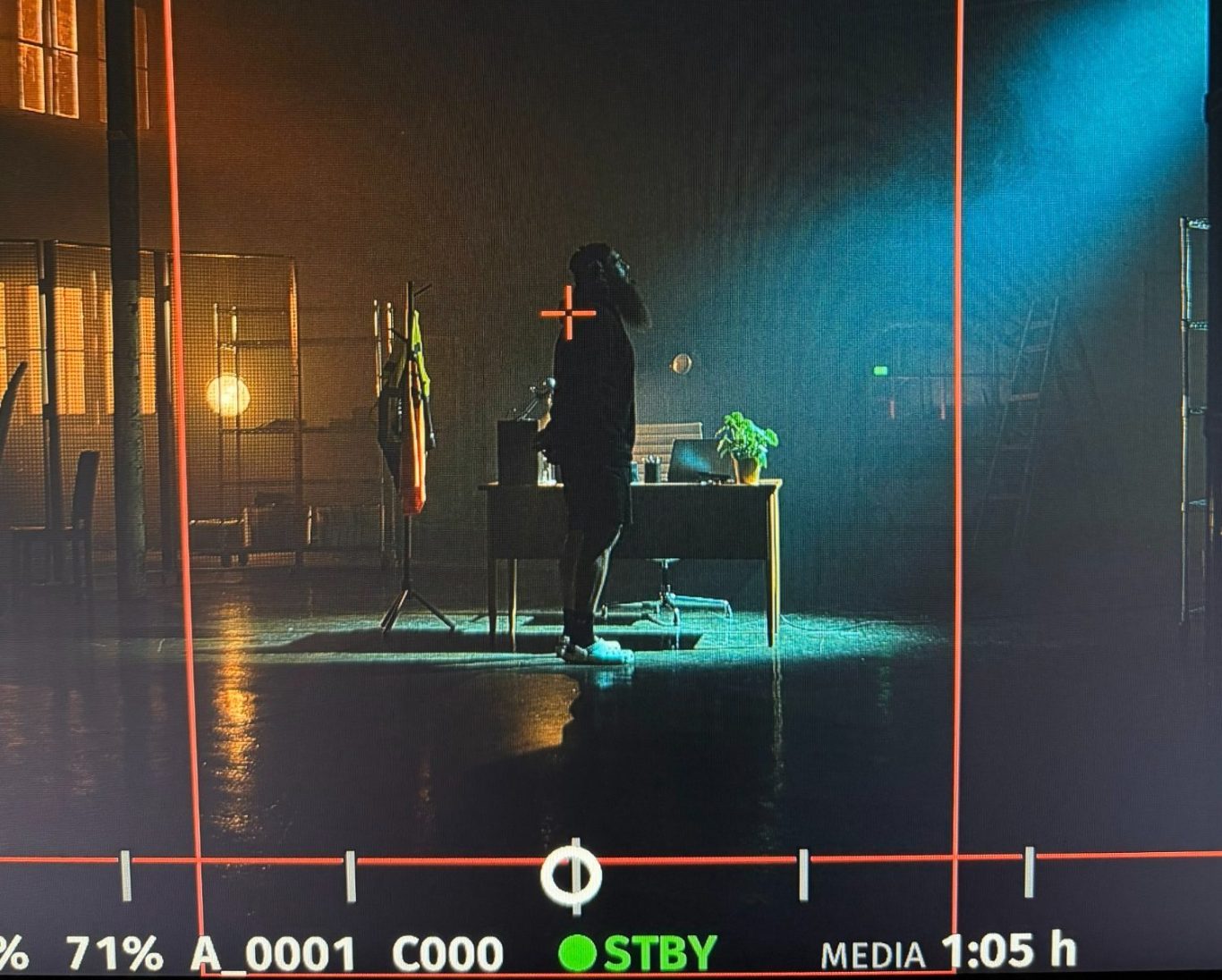
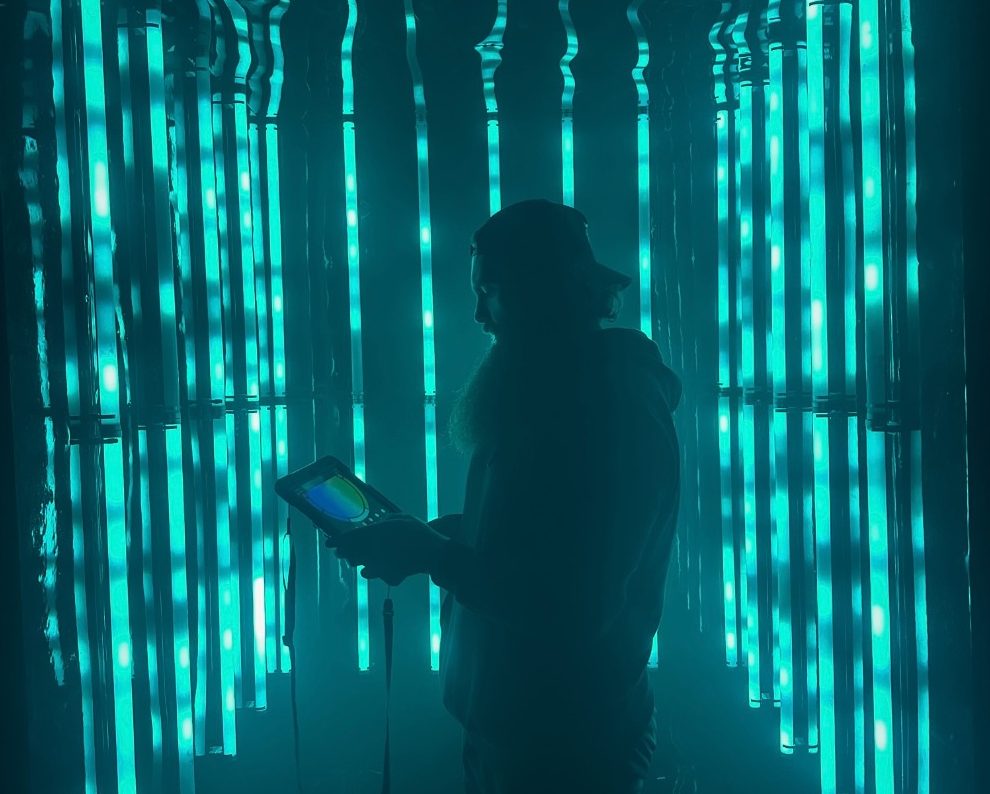
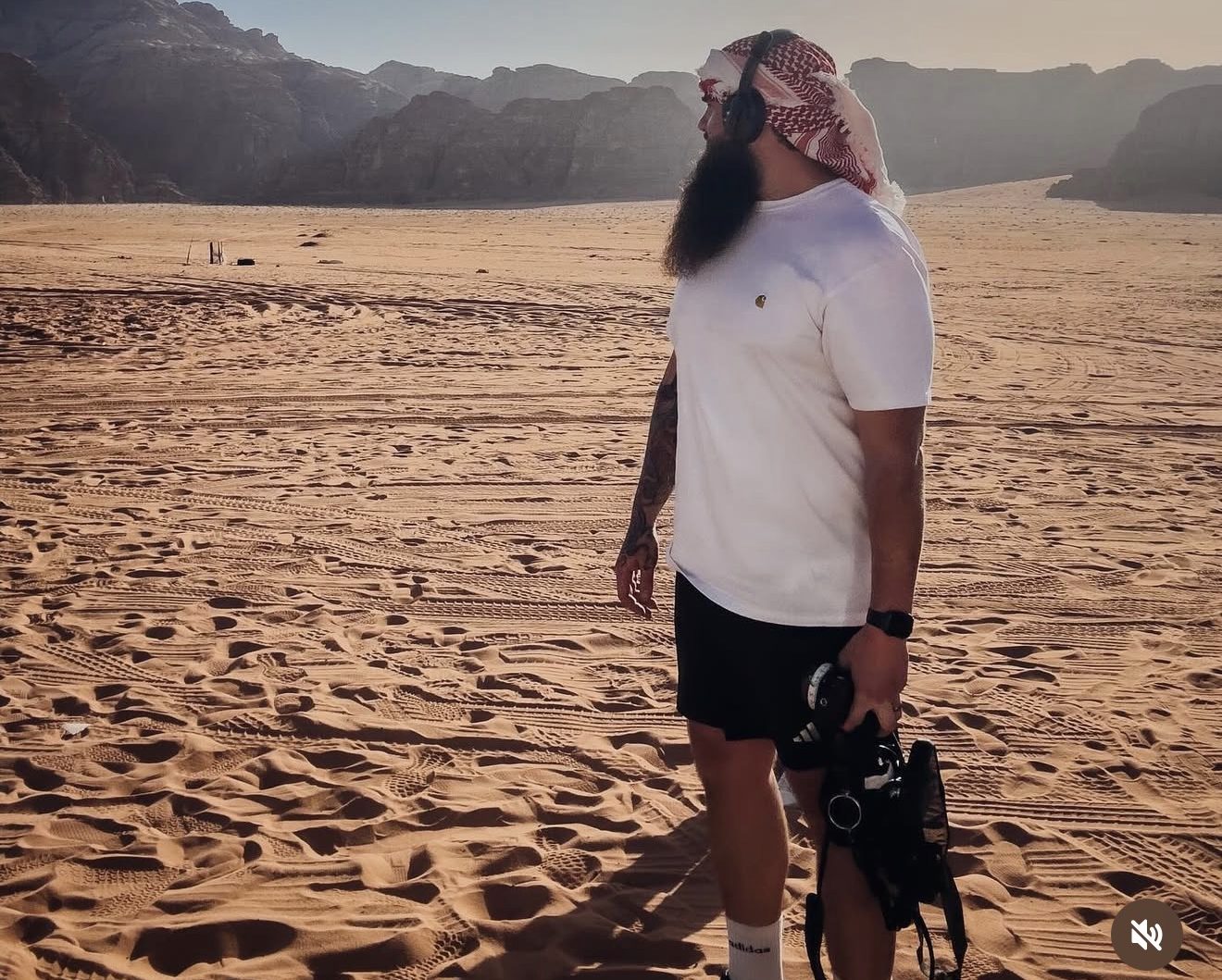
Over the past 18 months, I’ve increasingly stepped into gaffer roles across a wide spectrum of productions, from commercials and documentaries to smaller television projects, including intensive four-day shoots on larger-scale assignments. This variety of work has exposed me to a broad range of budgets, crew sizes, and production environments, each presenting its own technical and creative challenges. In these roles, I’ve taken on full lighting design responsibilities, managed crews on set, attended recces, and worked closely with directors and cinematographers to bring complex creative visions to life.
These experiences have demanded adaptability, quick problem-solving, and careful planning, helping me to refine not only my technical expertise but also my leadership, communication, and organisational skills. I’ve developed a deeper understanding of budgeting, kit selection, and practical solutions for lighting in unpredictable or challenging conditions. With each project, I’ve been able to take on more complex work, steadily building my confidence and competence as a gaffer. This ongoing progression has established me as a versatile, reliable, and increasingly sought-after professional, capable of delivering creative and practical lighting solutions across a variety of production scales and environments.